ioce7

administrator

A Clear Look at Traditional Waterproofing and Modern Crystalline Methods

Waterproofing is one of the most important steps in protecting any structure—whether it is a home, a commercial building, or an industrial space. When water enters through walls or floors, the damage can grow silently for years, leading to repairs that cost far more than the initial preventive work. This is why choosing the right method matters. Among the many approaches available today, two stand out because they are widely used across construction projects: traditional waterproofing methods and the newer crystalline approach. Both aim to stop water, yet they work in very different ways. Traditional Waterproofing: External Barriers Traditional waterproofing relies on external coverings. These include coatings, membranes, bitumen layers, or cement-based applications that sit on the surface. Their main purpose is to create a barrier that blocks water from entering. When done well, this approach can give short-term relief and is often used because it is familiar to contractors and easy to apply.However, these coatings stay outside the structure and depend heavily on perfect surface preparation. Any small gap, tear, or bending of the building can weaken the protection. Over time, heat, moisture changes, and physical stress can cause peeling or cracks. Once this outer layer fails, water can pass through again, and the cycle of repair begins. Crystalline Waterproofing: Internal Protection Crystalline waterproofing works on a different principle. Instead of forming a cover on the outside, it reacts within the concrete itself. When applied correctly, it penetrates the concrete and grows crystal-like formations that block capillaries and tiny pores. These formations stay inside the structure and reduce the movement of water from within.Since the reaction happens inside the material, there is no outer layer that can peel or tear. Another important point is that this method can self-react if water enters again in the future. The material becomes active when moisture is present, allowing the crystals to continue growing and sealing pathways. This gives the structure a longer life and reduces the need for repeated repairs. Comparing Longevity and Suitability When comparing the two methods, the difference in longevity is very clear. Traditional waterproofing can work well but often needs maintenance because it stays on the surface and is exposed to weather and movement. Crystalline waterproofing offers deeper and more lasting protection because it works with the concrete rather than sitting on top of it.It supports long-term strength and is especially useful for basements, pools, water tanks, and foundation areas where constant moisture is expected. Making the Wise Choice While both methods have their place, crystalline waterproofing is steadily becoming the preferred choice for projects that require long-lasting performance and reduced maintenance. It brings a more dependable approach to protecting structures, making it a wise investment for builders and property owners who want lasting value.

READ MORE

Gully and Channel Grates – The Backbone of Efficient Drainage Systems in Qatar

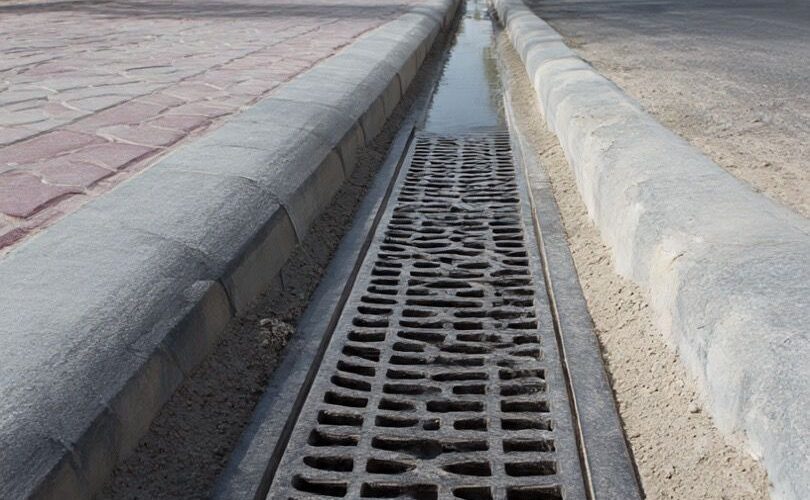
Gully and Channel Grates: The Backbone of Efficient Drainage Systems in Qatar A well-designed drainage system is essential for maintaining safety, hygiene, and durability in industrial and commercial spaces. In Qatar’s hot and humid climate, where heavy rains and wash-downs are common in construction and industrial areas, gully and channel grates play a major role in managing surface water effectively. What Are Gully and Channel Grates? Gully and channel grates are covers that sit on top of drainage channels or pits to collect and guide surface water into the drainage system. They prevent debris, sand, and waste from entering the pipes while allowing water to flow freely. Gully grates are typically placed at low points where water gathers, while channel grates run along continuous areas such as factory floors, parking spaces, or walkways. Together, they form the first line of defense against flooding and structural damage. Why They Are Crucial in Industrial Projects In industrial environments, floors often come into contact with water, oil, chemicals, and waste. Without a proper drainage system, these substances can accumulate, creating safety hazards and damaging the floor surface. Installing quality gully and channel grates helps: Prevent flooding and waterlogging Reduce slip and accident risks Protect flooring and infrastructure Maintain hygiene and cleanliness Ensure long-term durability of the drainage system A reliable drainage setup also minimizes maintenance time and costs, helping industries operate smoothly without disruptions. Material Matters The strength and performance of grates depend largely on the material used. Common choices include: Ductile Iron Grates: Ideal for heavy-duty and high-traffic areas. Stainless Steel Grates: Excellent corrosion resistance for long-term use. FRP (Fiberglass Reinforced Plastic): Lightweight, durable, and non-corrosive, making it suitable for chemical and food industries. Selecting the right material ensures better drainage efficiency and long service life. Oceans 7 – Delivering Reliable Drainage Solutions in Qatar At Oceans 7 Trading & Contracting, we supply top-grade gully and channel grates designed for performance and durability. Our products meet industrial and commercial standards, providing excellent load capacity, anti-corrosion properties, and long-term value. We understand the importance of proper drainage in every construction and maintenance project and deliver products that suit Qatar’s demanding environment. Gully and channel grates may look simple, but they are key to the success of any drainage system. By choosing the right materials and trusted suppliers, industries can ensure safer, cleaner, and longer-lasting infrastructure.

READ MORE

Epoxy Flooring – A Strong and Stylish Choice for Your Home

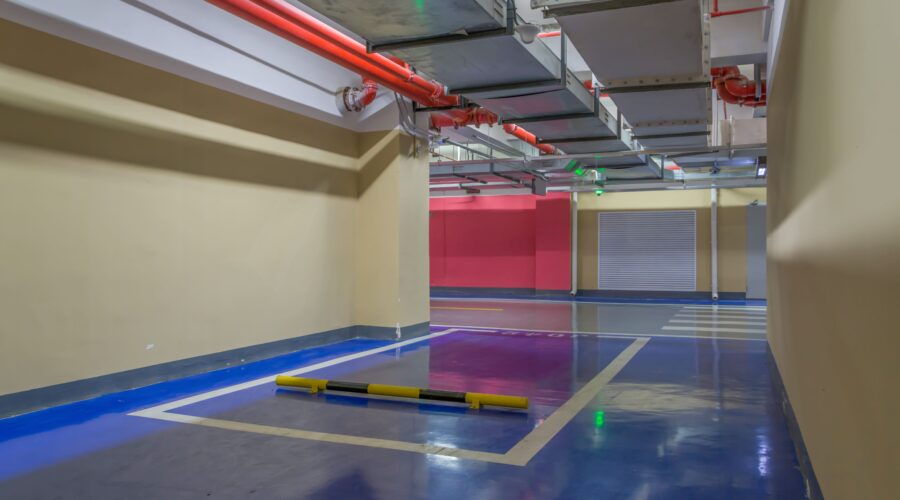
Choosing the right flooring is one of the most important decisions for homeowners in Qatar. You need a surface that is durable, stylish, and easy to maintain. Epoxy flooring has become a preferred choice in modern homes because it delivers all of these qualities. Once mainly used in commercial spaces, epoxy floors are now transforming residential interiors across Qatar, offering strength, elegance, and long-lasting performance. Epoxy is a special type of coating made by blending resins and hardeners. When applied over concrete, it creates a seamless and glossy surface that is resistant to moisture, stains, and everyday wear. This makes it ideal for living areas, kitchens, garages, and even balconies in Qatari homes. The smooth finish adds a luxurious touch while the durability ensures your floor looks fresh and flawless for years. One of the standout features of epoxy flooring is its strength. Unlike tiles that can crack or wooden floors that may warp in humid conditions, epoxy forms a solid layer that can withstand heavy furniture, regular foot traffic, and even children playing at home. For families and households in Doha, where homes often host gatherings and social events, this durability is a key benefit. Epoxy flooring also enhances the visual appeal of any space. Available in a wide range of colors and finishes, it can match modern, contemporary, or classic interiors. You can choose simple elegant shades, or go for metallic, marble-like patterns that mimic high-end materials. Epoxy’s reflective surface brightens rooms naturally, making interiors appear more spacious and inviting—perfect for Doha homes that value style and sophistication. Another advantage of epoxy floors is their low maintenance. Traditional flooring options require constant polishing, cleaning, or tile replacement. Epoxy, once applied by professionals, is easy to clean with just mild soap and water. Its non-porous surface prevents dust, allergens, and moisture from settling, making it ideal for households that prioritize hygiene and comfort. Epoxy is also water and chemical resistant. Spills in kitchens, wet shoes during Doha’s humid days, or even minor oil leaks in garages will not damage the flooring. This makes it suitable not just for interiors but also for utility areas, basements, and balconies. The surface’s resistance to moisture ensures it stays intact without mold or discoloration, which is essential for homes in Qatar’s climate. Safety is another consideration. Anti-slip finishes can be added during installation, providing extra grip and stability. Families with children or elderly members can enjoy the benefits of a stylish floor without worrying about slips or accidents. Professional installation is quick and efficient. The concrete surface is prepared, the epoxy mixture is applied, and once cured, it creates a seamless, glossy finish. While the initial cost may be higher than some conventional options, epoxy flooring is a long-term investment that combines durability, style, and minimal maintenance. Environmentally conscious homeowners in Doha will also appreciate epoxy flooring. By enhancing existing concrete floors, it reduces material waste. Many modern epoxy products are low in volatile organic compounds, ensuring safe indoor air quality. In summary, epoxy flooring in Doha, Qatar offers the perfect combination of strength, elegance, and convenience. It withstands daily wear and tear, enhances the aesthetics of any home, and requires minimal upkeep. Whether renovating an existing space or building a new home, epoxy provides a stylish and practical flooring solution. For homeowners in Doha looking to upgrade their interiors, epoxy flooring is more than just a surface—it is a long-lasting investment that adds beauty, value, and comfort to your home.

READ MORE

Waterleaks in Bathrooms & Kitchens – How to Prevent?

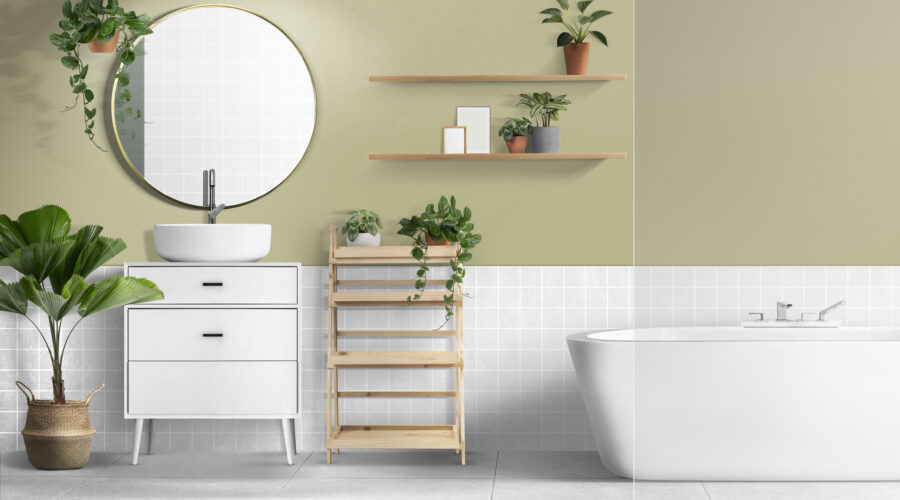
Bathrooms and kitchens are the most used spaces in any home. They are also the areas most exposed to water. A small leak under the sink, behind the tiles, or near the shower may look minor at first, but over time it can lead to major damage such as mold growth, stained walls, cracked tiles, and even structural problems. The good news is that water leaks in these spaces can be prevented with the right care and waterproofing solutions. Why Leaks Happen in Bathrooms and Kitchens Water leaks often start in hidden areas, which is why many homeowners do not notice them until it becomes serious. The most common causes include: Poor waterproofing during construction – Missing or low-quality waterproofing membranes under floors and walls. Faulty plumbing – Loose pipe joints, old fixtures, or poor installation. Cracks in tiles or grout lines – Water seeps through damaged tiles or worn-out grout. Blocked drains – Standing water puts extra pressure on floors and can cause seepage. Wear and tear over time – Continuous exposure to water eventually weakens protective layers. The Best Ways to Prevent Water Leaks1. Invest in Proper Waterproofing The most reliable way to prevent leaks is by waterproofing the bathroom and kitchen during or even after construction. Applying a waterproofing membrane beneath floors and behind wall tiles creates a strong barrier against water seepage. Modern waterproofing solutions are long-lasting and protect the structure for years. 2. Use Quality Plumbing Materials Pipes, joints, and faucets should always be of good quality. Cheap materials may save money initially, but they are more likely to fail and cause leaks. Hiring an experienced plumber ensures correct installation and fewer chances of hidden leaks. 3. Seal Tile Gaps and Grout Lines Cracked or missing grout is one of the easiest entry points for water. Regularly check tiles in wet areas such as around showers, sinks, and kitchen counters. Re-grouting or sealing these lines prevents water from seeping into walls and floors. 4. Keep Drains Clear Blocked drains in kitchens and bathrooms are a common reason for water overflow. Make it a habit to clean drains, avoid pouring grease or food waste into sinks, and use drain covers to stop hair and debris from clogging pipes. 5. Regular Maintenance Checks Every few months, check under sinks, around taps, and near the base of toilets. Early detection of moisture, dampness, or mold allows for quick repair before the problem spreads. Benefits of Waterproofing and Leak Prevention Protects your home from costly repairs – Fixing water damage is far more expensive than prevention. Keeps interiors fresh and hygienic – Prevents mold, dampness, and unpleasant smells. Improves property value – A well-maintained bathroom and kitchen increases resale potential. Ensures long-term comfort – You can enjoy your home without worrying about hidden leaks. Water leaks in bathrooms and kitchens can quietly damage your home and your health. The best way to prevent them is to invest in proper waterproofing, use quality plumbing materials, and carry out regular maintenance. A one-time waterproofing solution not only gives peace of mind but also saves money in the long run. If you notice damp patches, loose tiles, or unusual odors in your bathroom or kitchen, it may be time to consult a waterproofing expert. Taking action today ensures that your home stays strong, safe, and leak-free for years to come.

READ MORE

Signs Your Building Needs Waterproofing

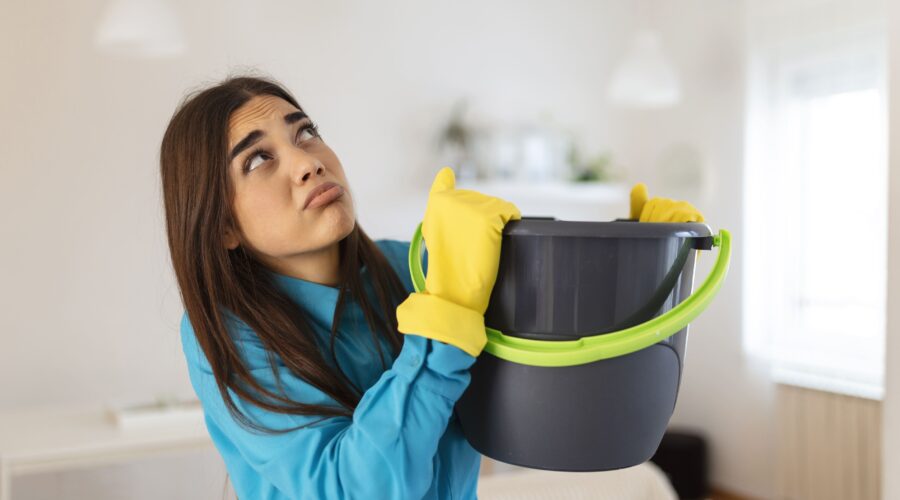
Signs Your Building Needs Waterproofing (Before It’s Too Late) Water damage is one of the biggest hidden threats to any property in Qatar. From residential villas in Doha to large commercial buildings, ignoring waterproofing can lead to serious structural problems, costly repairs, and even health hazards. The good news? Your building often shows early warning signs. Knowing what to look for helps you call a waterproofing contractor in Qatar before the damage spreads. Let’s break down the most common signs your building needs immediate waterproofing solutions. 1. Damp Walls and Peeling Paint If you notice paint bubbling, flaking, or yellowish patches on walls, that’s usually caused by trapped moisture. In basements or bathrooms, this is one of the first indicators that your existing waterproofing system has failed. Without quick intervention, damp walls will weaken plaster, invite termites, and create long-term structural issues. 2. Persistent Leaks in Roof or Basement Roof leaks during rain or groundwater seeping into the basement are clear red flags. Qatar’s climate puts extreme stress on buildings—intense heat during summer followed by occasional heavy rain. Without proper roof waterproofing membranes or basement waterproofing coatings, cracks expand and water finds its way in. Even a small leak should be treated as an emergency. 3. Mold, Mildew, and Musty Odors The smell of mold is more than unpleasant; it’s a health risk. If rooms in your building smell damp even after cleaning, it usually means water is trapped behind walls or under flooring. Waterproofing contractors in Doha often find that hidden leaks are the root cause. Mold thrives in moist environments and can spread fast, damaging wood, carpets, and air quality. 4. Cracks in Walls or Flooring Not all cracks are cosmetic. Horizontal cracks near the base of walls or hairline fractures in flooring can signal that moisture is penetrating the structure. Over time, this weakens foundations and can compromise safety. Investing in cementitious waterproofing materials at this stage is far cheaper than repairing structural damage later. 5. Stains on Ceilings Brownish water stains on ceilings are often overlooked. They usually come from roof leaks, plumbing issues, or damaged waterproofing membranes. Once stains appear, moisture has already entered the slab or ceiling plaster. Applying a fresh coat of paint without fixing the source won’t help—you need professional roof waterproofing services in Qatar. 6. High Indoor Humidity Do you constantly feel your rooms are damp, even with air conditioning? Excessive indoor humidity is often caused by hidden water seepage. Over time, it creates condensation, damages electrical fittings, and reduces indoor comfort. Basement waterproofing and proper sealing of external walls usually solve this problem. Why You Should Act Early Delaying waterproofing solutions doesn’t just risk property damage; it increases long-term costs. Repairs after structural weakening or mold infestation are far more expensive than preventive measures. By working with reliable waterproofing companies in Qatar, you can choose from proven options like liquid membranes, polyurethane coatings, bituminous membranes, or advanced drainage systems. Your building is one of your biggest investments, and protecting it starts with recognizing the early warning signs. Damp walls, leaks, cracks, or mold aren’t minor inconveniences, they’re signals that your property needs urgent waterproofing in Qatar. If you’ve spotted any of these issues, don’t wait until repairs spiral out of control. Contact trusted waterproofing contractors in Doha who can inspect your property, recommend the right waterproofing materials, and keep your building safe, dry, and long-lasting.

READ MORE
Translate »