 By
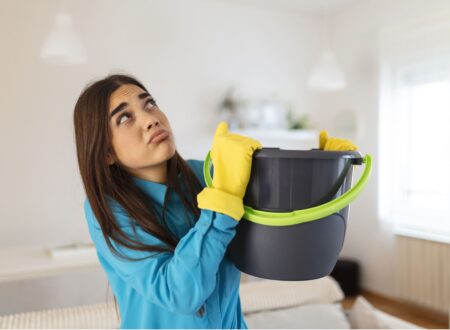
By Bathrooms and kitchens are the most used spaces in any home. They are also the areas most exposed to water. A small leak under the sink, behind the tiles, or near the shower may look minor at first, but over time it can lead to major damage such as mold growth, stained walls, cracked tiles, and even structural problems. The good news is that water leaks in these spaces can be prevented with the right care and waterproofing solutions.
Why Leaks Happen in Bathrooms and Kitchens
Water leaks often start in hidden areas, which is why many homeowners do not notice them until it becomes serious. The most common causes include:
- Poor waterproofing during construction – Missing or low-quality waterproofing membranes under floors and walls.
- Faulty plumbing – Loose pipe joints, old fixtures, or poor installation.
- Cracks in tiles or grout lines – Water seeps through damaged tiles or worn-out grout.
- Blocked drains – Standing water puts extra pressure on floors and can cause seepage.
- Wear and tear over time – Continuous exposure to water eventually weakens protective layers.
The Best Ways to Prevent Water Leaks
1. Invest in Proper Waterproofing
The most reliable way to prevent leaks is by waterproofing the bathroom and kitchen during or even after construction. Applying a waterproofing membrane beneath floors and behind wall tiles creates a strong barrier against water seepage. Modern waterproofing solutions are long-lasting and protect the structure for years.
2. Use Quality Plumbing Materials
Pipes, joints, and faucets should always be of good quality. Cheap materials may save money initially, but they are more likely to fail and cause leaks. Hiring an experienced plumber ensures correct installation and fewer chances of hidden leaks.
3. Seal Tile Gaps and Grout Lines
Cracked or missing grout is one of the easiest entry points for water. Regularly check tiles in wet areas such as around showers, sinks, and kitchen counters. Re-grouting or sealing these lines prevents water from seeping into walls and floors.
4. Keep Drains Clear
Blocked drains in kitchens and bathrooms are a common reason for water overflow. Make it a habit to clean drains, avoid pouring grease or food waste into sinks, and use drain covers to stop hair and debris from clogging pipes.
5. Regular Maintenance Checks
Every few months, check under sinks, around taps, and near the base of toilets. Early detection of moisture, dampness, or mold allows for quick repair before the problem spreads.
Benefits of Waterproofing and Leak Prevention
- Protects your home from costly repairs – Fixing water damage is far more expensive than prevention.
- Keeps interiors fresh and hygienic – Prevents mold, dampness, and unpleasant smells.
- Improves property value – A well-maintained bathroom and kitchen increases resale potential.
- Ensures long-term comfort – You can enjoy your home without worrying about hidden leaks.
Water leaks in bathrooms and kitchens can quietly damage your home and your health. The best way to prevent them is to invest in proper waterproofing, use quality plumbing materials, and carry out regular maintenance. A one-time waterproofing solution not only gives peace of mind but also saves money in the long run.
If you notice damp patches, loose tiles, or unusual odors in your bathroom or kitchen, it may be time to consult a waterproofing expert. Taking action today ensures that your home stays strong, safe, and leak-free for years to come.