 By
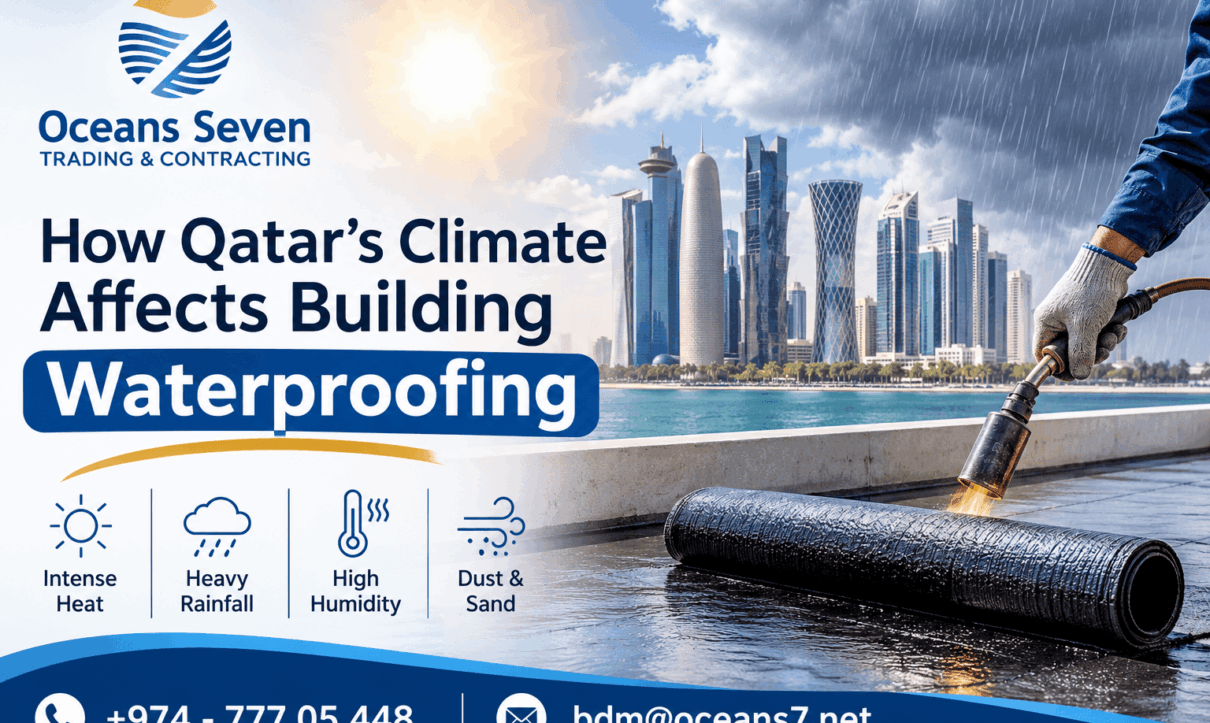
Buildings in Qatar are exposed to challenging weather conditions throughout the year. High summer temperatures, intense sunlight, humidity and occasional heavy rainfall can all affect the condition of building surfaces. Over time, these environmental factors may weaken protective layers and increase the risk of water leakage. Choosing the right waterproofing system is therefore essential for maintaining buildings and protecting their structural components.
The Impact of High Temperatures on Waterproofing
Qatar experiences extremely high temperatures during summer. Continuous exposure to heat can cause certain waterproofing materials to expand, lose flexibility or deteriorate over time. Roofs and exposed concrete surfaces are particularly vulnerable because they receive direct sunlight for extended periods.
When protective coatings lose their effectiveness, small cracks and weak points may develop. These openings can eventually allow water to enter the structure. Using waterproofing materials suitable for high temperature conditions helps reduce such risks.
Humidity and Moisture Exposure
Although Qatar has a predominantly dry climate, coastal areas can experience considerable humidity. Moisture in the air may affect exposed building materials, particularly when combined with temperature variations.
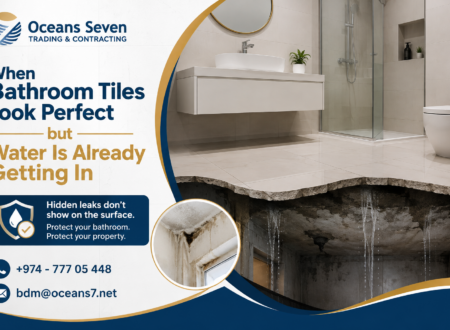
Bathrooms, kitchens, underground structures and other moisture prone areas require proper waterproofing to prevent seepage. Without adequate protection, prolonged moisture exposure can contribute to surface deterioration, damp patches and damage to internal finishes.
Sudden Rainfall and Roof Leakage
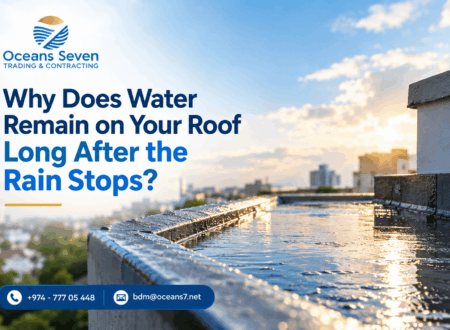
Rainfall in Qatar may be seasonal, but occasional heavy showers can place considerable pressure on building drainage systems and roof surfaces. Roofs with poor drainage, damaged membranes or untreated cracks may allow water to accumulate and penetrate the concrete.
Concrete roof waterproofing and regular inspection of drainage outlets can help minimise these problems. Identifying weak areas before the rainy season is particularly important for residential, commercial and industrial properties.
Temperature Changes and Structural Movement
Buildings naturally respond to changes in temperature. Repeated heating and cooling can cause construction materials to expand and contract. Over time, this movement may create cracks around joints, roof edges and connections between different building components.
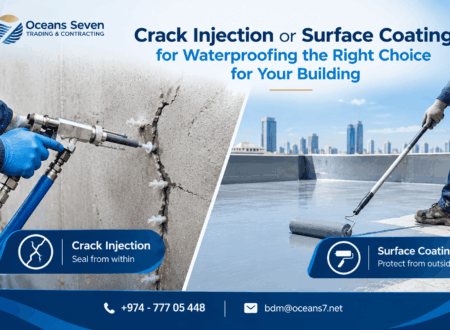
If these areas are not properly sealed, water can enter through even small openings. Suitable joint sealants, crack treatment and flexible waterproofing systems can help protect vulnerable sections.
Choosing the Right Waterproofing Solution for Qatar
Not every waterproofing product is suitable for every building or environmental condition. The choice should depend on the surface, exposure level, expected moisture conditions and intended application.
Professional waterproofing solutions may include:
Roof Waterproofing: Protects exposed concrete and metallic sheet roofs from water penetration.
Basement Waterproofing: Helps prevent groundwater seepage and moisture intrusion.
Water Tank Waterproofing: Protects concrete tanks against leakage and water loss.
Swimming Pool Waterproofing: Reduces the risk of water leakage through pool structures.
Bathroom Waterproofing: Prevents moisture from affecting surrounding walls and floors.
Selecting appropriate materials and ensuring correct application are equally important for achieving reliable results.
Protect Your Building with Professional Waterproofing
Qatar’s climate makes waterproofing an important part of building maintenance. Addressing minor cracks, drainage issues and coating damage at an early stage can help prevent more extensive repairs later.
Oceans 7 provides specialised waterproofing solutions for different building requirements, helping residential, commercial and industrial property owners protect their structures against water penetration. Choosing the right waterproofing approach can contribute to better building durability and long term property maintenance.