
 By
By A leak free home begins with correct planning at the construction stage. Most water related issues appear years later, but the actual cause often lies in early mistakes during building work. Careful attention during construction prevents moisture problems, protects the structure and improves the life of your property. Here are important points every builder or homeowner should keep in mind to keep a home leak free from day one.
Plan proper surface levels and slopes
Correct levels are the foundation of a leak free structure. Every terrace, balcony and bathroom must have a clear slope that guides water toward the drain. If the surface is flat or uneven, water will stay in one place for a long time and slowly enter the layers below. During construction, ask your contractor to check slopes at each stage. Accurate leveling ensures smooth water movement and prevents future seepage.
Select quality materials from trusted suppliers
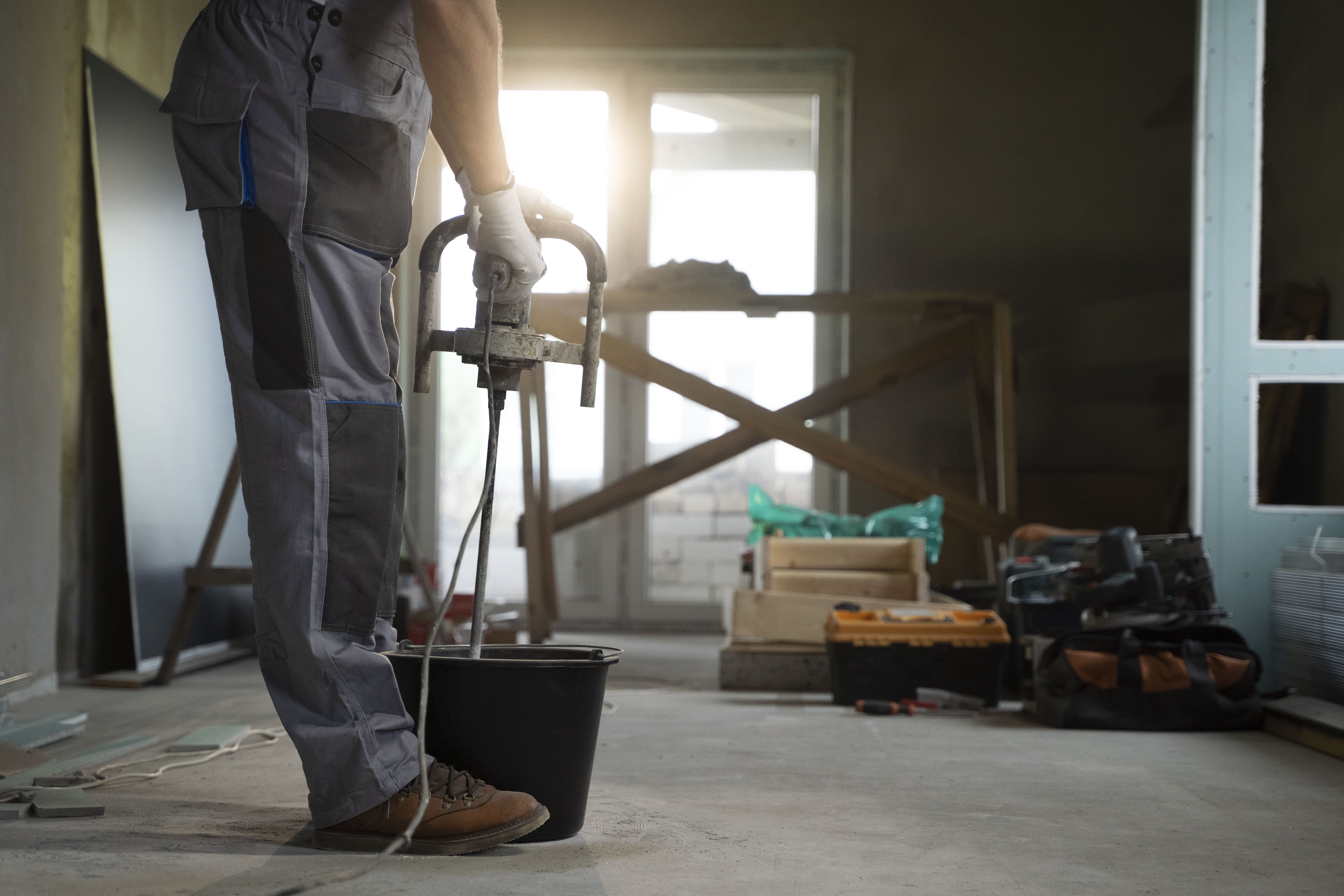
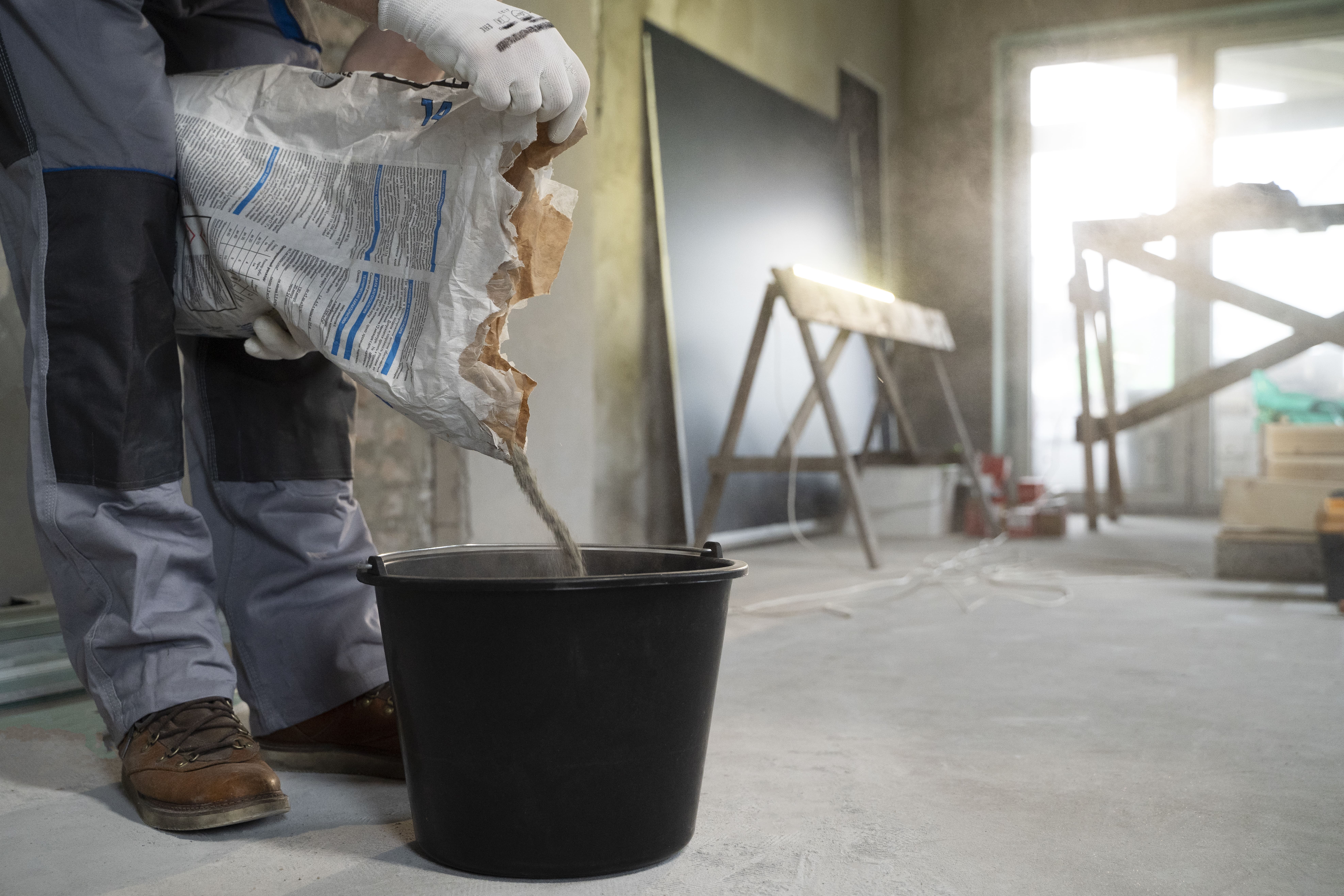
A strong structure depends on reliable materials. Cement, sand, aggregates and bricks must be sourced from dependable suppliers. Poor materials create weak joints and cracks that allow water to pass through. Choose quality approved materials and make sure proper ratios are used while mixing concrete and plaster. Good materials form a dense and stable surface that blocks moisture effectively.
Waterproof critical areas during construction
Bathrooms, kitchens, terraces, basements and water tanks need special attention because these areas remain wet for long periods. Applying waterproof coatings during construction gives long lasting protection. These coatings act as a barrier between water and the concrete surface. If this step is skipped, moisture can enter easily and create dampness later. Select the right waterproofing system based on expert advice and ensure it is applied by trained workers.
Seal all joints and gaps carefully
Every building has several joints such as wall to floor joints, pipe entry points, tile joints and window frames. These areas are more likely to allow water to pass through if not sealed properly. Use good quality sealants during construction to close all gaps. Pay special attention to corners and edges. A well sealed joint prevents hidden seepage and keeps the internal structure dry.
Use proper plumbing design and testing
A good plumbing plan prevents many future problems. Pipes must be placed in straight lines with correct spacing and support. Avoid unnecessary bends or incorrect pipe sizes. Once installation is complete, conduct a pressure test before closing the walls or floors. This helps identify any leakage at an early stage. Properly tested plumbing lines reduce the chance of pipe related issues in the future.
Protect exterior walls with strong plaster and coating
Exterior walls face rain and moisture throughout the year. A poor outer plaster allows water to enter the inner layers. During construction, ensure that the plaster is applied evenly with correct thickness. After curing, apply a high quality exterior coating that resists moisture. A strong outer surface prevents dampness and keeps the interior safe.
Check drainage planning around the building
Water around the base of the building can weaken the foundation. Plan the site layout in a way that channels water away from the structure. A proper slope in the ground, well designed drainage lines and clear pathways for rainwater keep the foundation dry. This simple planning step plays a major role in long term protection.
Ensure regular supervision during construction
Even the best plan needs careful execution. Visit the site regularly or hire a professional supervisor who understands construction standards. Timely checks ensure that each step is done correctly and prevent errors that can lead to leaks later.
Avoiding leaks begins long before the home is completed. Good planning, quality materials, proper waterproofing, strong plumbing and careful supervision create a durable and secure structure. When these steps are followed during construction, your home remains dry, safe and comfortable for many years.